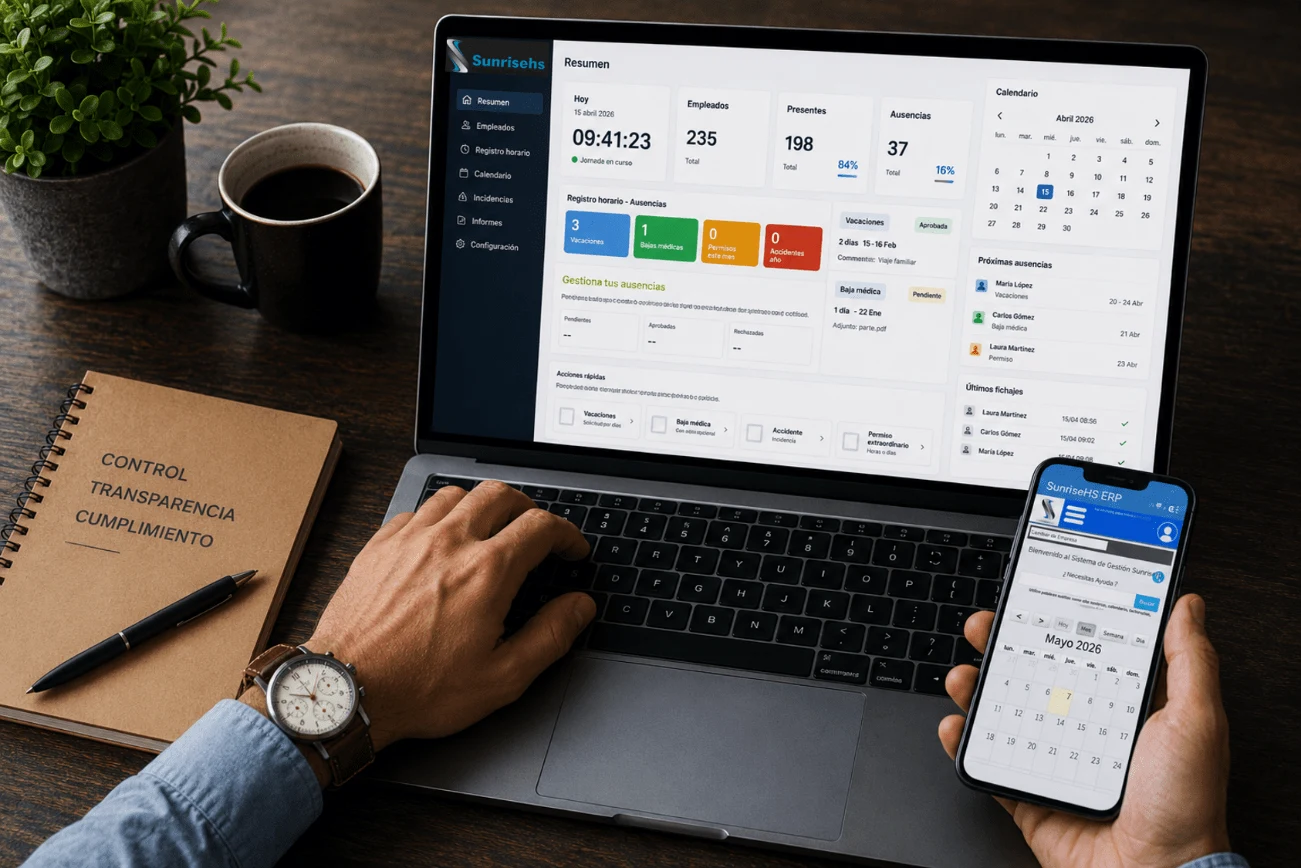
Assets under control
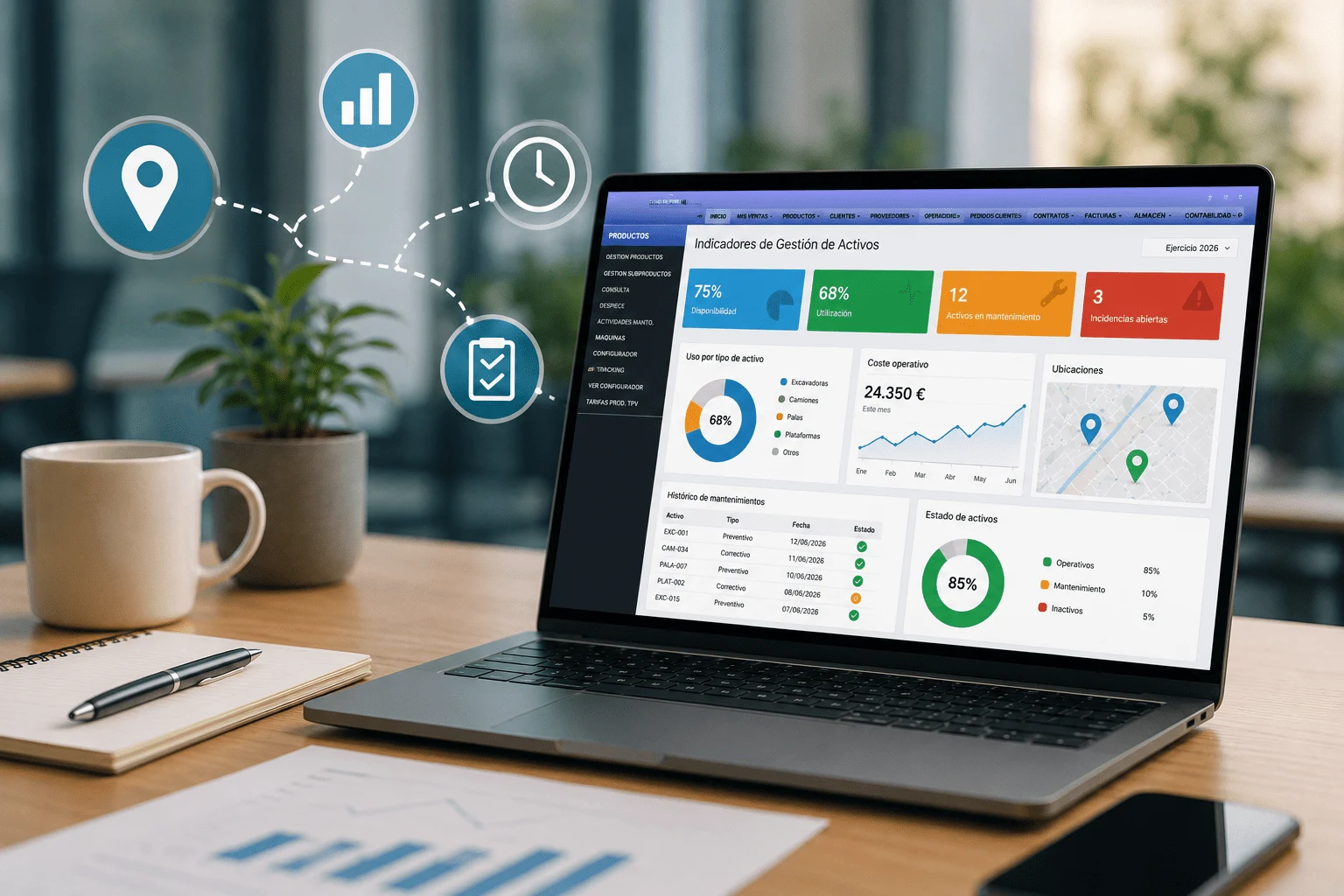
Beyond the map: why turning data into information matters for business management
Every organisation knows the value of its assets from an accounting standpoint. The question is whether it has the information it needs to understand how they actually contribute to the company's activity.
From an economic perspective, an asset generates value when it contributes to the operation. However, in an environment where efficiency and profitability rank ever higher on management teams' agendas, the ability to obtain information that sheds light on how these resources are used and what they contribute to the operation is becoming increasingly important.
For years, asset management focused on aspects such as acquisition, maintenance or depreciation. However, in an environment where efficiency and profitability occupy an increasingly prominent place on management agendas, the ability to obtain information that reveals how these resources actually contribute to the company's activity is growing in importance.
Asset-related information has become increasingly relevant in recent years. Knowing where a resource is located is important, but in many cases the real question is understanding how it is used, how long it remains available and what its actual level of utilisation is.
In sectors such as scaffolding rental and assembly, where hundreds of items are spread across warehouses, job sites and customers, having this information makes it easier to plan new projects and to make better use of the available resources. Visibility over these assets improves their utilisation and contributes to a more efficient operation.
The need for information does not end there. It is often just as important to understand an asset's journey over time and to have a more complete picture of how it has been used.
Something similar happens in organisations that provide services across multiple locations and manage equipment distributed among different work centres. Having a movement history makes it possible to know where each asset has been, how long it remained at a given location and how it has been used over time. This information provides context, makes analysis easier and contributes to a better understanding of the operation.
Information on the condition and utilisation of assets is another relevant element for operations management. Understanding how resources are used, what their availability is and what activity they record over time provides context for better maintenance planning and more efficient management of the asset life cycle.
Knowing where an asset is can be useful. Understanding how it is used, how available it is and what its actual level of utilisation is, is probably far more important.